

Urban Office Spaces in India for Personal Growth

Quick Answer: How Can Urban Offices Support Growth?
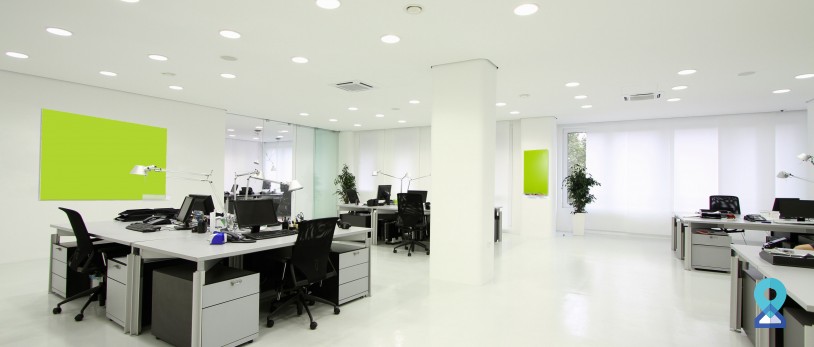
Urban office spaces can support personal and professional growth by bringing people together, providing opportunities for collaboration, creating access to professional facilities and offering environments designed for different types of work.
The impact depends on factors such as office design, company culture, workplace flexibility, employee needs and the quality of the surrounding business environment.
For startups, freelancers, growing companies, hybrid teams and established businesses, the right workspace can become more than a place to sit and work.
What Is an Urban Office Space?
An urban office space is a workplace located within a developed city or commercial district and designed to support businesses, professionals and teams.
It can include:
Traditional corporate offices
Coworking spaces
Managed offices
Business centres
Flexible workspaces
Private offices
Shared offices
Hybrid-work hubs
Major Indian business cities such as Delhi, Mumbai, Bengaluru, Hyderabad, Pune, Chennai and Gurugram have a wide range of office environments serving different business requirements.
The right workspace depends on factors including location, team size, budget, work style, privacy and expected growth.
Why Do Urban Office Spaces Matter for Professional Growth?
The workplace can influence how employees interact, collaborate and access opportunities.
An urban office environment can bring professionals into closer contact with colleagues, clients, partners and other businesses.
This can support professional development through:
Collaboration
Knowledge sharing
Networking
Mentoring
Client interaction
Team projects
Informal learning
Industry exposure
However, simply working in a city office does not automatically produce these outcomes. Workplace culture and management practices also play an important role.
How Does Office Design Affect the Working Experience?
Office design can influence how people use a workplace by providing different environments for focused work, meetings, collaboration and informal interaction.
A modern office may include:
| Workspace | Typical use |
|---|---|
| Private office | Focused or confidential work |
| Dedicated desk | Regular individual work |
| Hot desk | Flexible working |
| Meeting room | Client and team meetings |
| Conference room | Larger presentations |
| Collaboration area | Group discussions |
| Breakout area | Informal interaction |
| Phone booth | Private calls |
| Lounge | Informal work or networking |
Providing different work settings allows employees to choose an environment according to the task they are performing.
Can Coworking Spaces Help With Professional Networking?
Yes. Coworking spaces can create opportunities for professionals from different businesses to work within the same environment.
A coworking centre may include freelancers, startups, consultants, technology teams, agencies and established businesses.
Potential networking opportunities can occur through:
Community events
Workshops
Business introductions
Shared breakout areas
Industry events
Informal conversations
Collaboration between members
The quality of networking depends on the individual workspace community and how actively members participate.
How Can Urban Offices Support Entrepreneurs?
Entrepreneurs often need more than a desk.
A flexible workspace can provide access to facilities such as:
Professional meeting rooms
Private offices
High-speed internet
Reception services
Business addresses
Conference facilities
Printing and administrative facilities
Community events
This can allow a small business to present itself professionally without immediately taking on the cost and responsibility of setting up a complete conventional office.
For a startup meeting a potential investor or enterprise client, for example, a dedicated meeting room can provide a more appropriate environment than a crowded café.
Do Urban Workspaces Help Employees Learn From Others?
They can, particularly when the workplace encourages collaboration and knowledge sharing.
Employees often learn through everyday interaction, including discussions with colleagues, project reviews, informal conversations and exposure to different approaches.
Flexible offices can support this by providing:
Collaborative seating
Shared work areas
Project rooms
Meeting spaces
Training areas
Informal breakout zones
However, workplace design should complement rather than replace formal training and professional development programmes.
How Does Workplace Flexibility Support Personal Growth?
Workplace flexibility can allow employees and businesses to adapt their workspace to changing requirements.
For example, a hybrid employee may need:
A quiet desk for focused work
A meeting room for client calls
A collaboration area for team sessions
A private room for confidential conversations
Having access to different workspace types can make it easier to match the physical environment with the task.
For businesses, flexible workspace can also make it easier to adjust office capacity as teams grow or change.
Why Does Location Matter for Urban Office Spaces?
Location can affect commuting, client access, networking opportunities and the overall practicality of a workplace.
A centrally located office or a workspace near a major business district may provide access to:
Public transport
Metro stations
Major roads
Restaurants
Hotels
Retail services
Business centres
Other companies
For employees, a convenient commute can be an important part of evaluating an office.
For businesses, location can also influence how easily clients and partners can reach the workplace.
Which Indian Cities Have Strong Urban Office Ecosystems?
India's major commercial cities offer different types of office environments.
Bengaluru
Bengaluru has a large technology and startup ecosystem, with office districts such as Indiranagar, Whitefield, Outer Ring Road and the central business areas.
Mumbai
Mumbai remains a major commercial and financial centre, with office locations across areas such as Andheri, BKC, Lower Parel and Powai.
Delhi NCR
Delhi and Gurugram provide access to corporate offices, government institutions, technology companies and major business districts.
Hyderabad
Hyderabad has developed a strong technology and corporate office ecosystem, particularly around areas such as HITEC City and Madhapur.
Pune
Pune has a significant technology, automotive, engineering and services presence, with business districts including Hinjewadi, Kharadi and Baner.
Chennai
Chennai combines technology, manufacturing, automotive, financial services and other corporate sectors, creating demand for different office formats.
The best city or location depends on the business model, workforce and client base.
What Makes a Good Urban Office Space?
A good urban office should balance location, functionality, comfort, flexibility and business requirements.
Use this checklist when comparing workspaces:
| Factor | What to check |
|---|---|
| Location | Employee and client accessibility |
| Workspace | Desk, cabin and office options |
| Connectivity | Internet and mobile coverage |
| Lighting | Natural and task lighting |
| Ergonomics | Desk and chair comfort |
| Meeting rooms | Availability and capacity |
| Privacy | Private areas for confidential work |
| Flexibility | Contract and expansion options |
| Amenities | Pantry, breakout and support facilities |
| Security | Access control and visitor management |
| Cost | Complete monthly occupancy cost |
A visually impressive office may not be the right choice if it does not meet the practical needs of the business.
Coworking vs Traditional Office: Which Supports Different Needs?
There is no single workspace model suitable for every business.
| Factor | Coworking | Managed Office | Traditional Office |
|---|---|---|---|
| Setup | Ready-to-use | Ready-to-use | Usually requires fit-out |
| Flexibility | High | Medium to high | Usually lower |
| Privacy | Varies | High | High |
| Shared facilities | Common | Available | Tenant-managed |
| Customisation | Limited to moderate | Moderate | High |
| Suitable for | Individuals and teams | Growing companies | Established teams |
| Setup responsibility | Low | Low | Higher |
Companies should select the model based on their expected headcount, budget, privacy requirements and preferred level of operational control.
How Can Companies Create an Environment That Supports Growth?
Companies do not need an expensive office to create a productive and development-focused environment.
They can focus on practical improvements such as:
Provide different work settings for focused and collaborative tasks.
Create meeting spaces where teams can exchange ideas.
Encourage knowledge sharing through regular discussions and events.
Support ergonomic working with suitable desks and chairs.
Use natural light effectively wherever the building allows.
Provide quiet areas for concentrated work.
Create informal spaces for social interaction.
Review employee feedback before making major workspace changes.
These principles can be applied to coworking spaces, managed offices and conventional workplaces.
What Role Does Networking Play in Personal Growth?
Professional networking can expose individuals to new ideas, industries, clients and potential collaborations.
An urban workspace can support networking by bringing different professionals into a shared environment.
For example, a marketing consultant might meet a startup looking for marketing support, while a technology company might discover a potential service provider through a workplace event.
Networking should not be treated as an automatic benefit of coworking, however. Active participation and a strong workplace community are important.
Are Urban Offices Useful for Hybrid and Remote Teams?
Yes. Flexible urban offices can provide physical infrastructure for teams that work remotely for part of the week.
A company may not need a permanent desk for every employee if attendance varies throughout the week.
Instead, it can use:
Shared desks
Meeting rooms
Private offices
Collaboration spaces
Project rooms
Day-use workspaces
This can provide a physical base for team meetings while maintaining a more flexible working model.
What Should Businesses Consider Before Choosing an Urban Office?
Before selecting an office, ask:
Where do most employees live?
How accessible is the location?
How often do clients visit?
How many desks are required today?
How many may be required next year?
How much private space is needed?
How frequently are meeting rooms used?
What is included in the monthly cost?
What are the contract and notice terms?
Can the workspace expand with the business?
A workspace should support both the company's current operations and its expected development.
Frequently Asked Questions About Urban Office Spaces in India
What is an urban office space?
An urban office space is a workplace located within a developed city or commercial district. It may be a conventional office, coworking space, managed office or business centre.
How can an office environment support personal growth?
An office can support personal and professional growth by providing opportunities for collaboration, networking, knowledge sharing, focused work and interaction with colleagues or other professionals.
Are coworking spaces good for networking?
They can be. Coworking spaces bring professionals and businesses together and may provide community events, shared facilities and opportunities for collaboration.
Which type of office is best for startups?
Startups can consider coworking, private offices or managed offices depending on their team size, budget, privacy requirements and expected growth.
Can flexible offices support remote teams?
Yes. Flexible workspaces can provide meeting rooms, desks and private offices for hybrid teams that do not require a permanent workstation for every employee.
Does office location affect professional growth?
Location can influence access to clients, employees, public transport and professional networks. However, workplace culture, management and individual development opportunities also matter.
What should I check before choosing an office space?
Compare location, workspace type, cost, connectivity, meeting rooms, privacy, ergonomics, amenities, security and contract flexibility.
Are urban offices only suitable for large companies?
No. Coworking and managed offices can serve freelancers, startups, SMEs, project teams and larger organisations, depending on the workspace format.
Key Takeaway: Can Urban Offices Support Growth?
Urban office spaces can support personal and professional growth when they combine a practical location with flexible workspace, collaboration opportunities, appropriate facilities and a workplace culture that encourages learning and interaction.
The office itself is not a guarantee of professional growth. The strongest workplace environment combines good office design, supportive management, employee development, collaboration and flexibility.
For businesses choosing between coworking space, managed office space and traditional office space, the right option should be based on actual workforce requirements, budget, location and long-term business plans.
Office availability, pricing, amenities and workplace services can change. Confirm current details with the workspace provider before making a decision.
COWORKING SPACES
Coworking Space Near MNC Chennai
Finding the right workspace in Chennai is more than just finding the right desk space. The selection of office spaces can...
Read MoreCOWORKING SPACES
MNC Companies in Gurgaon: Complete 2026 Guide
Quick Answer: MNC companies in Gurgaon are represented in five micro-markets, which include DLF Cyber City, Golf Course Road, MG Road/Si...
Read MoreCOWORKING SPACES
Virtual Office vs. Coworking Space: Which One Saves You More?
With companies seeking cost-effective office spaces, the issue is no longer just about the price of offi...
Read MoreCOWORKING SPACES
The Best Coworking Spaces for Freelancers Near Me in 2026
Quick Answer: Top coworking spaces for freelancers in 2026 offer a combination of three vital fac...
Read MoreCOWORKING SPACES
Best Coworking Space Near Me: A Complete 2026 City Guide
Quick Answer: The ideal coworking space near me in 2026 essentially depends on three fa...
Read More