

Target Market for Coworking Spaces in India

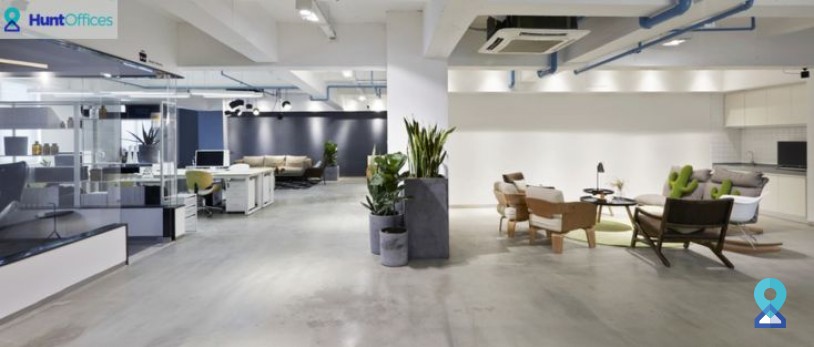
By Hritik | Target Market for Coworking Spaces in India | Last updated: September 2026
Quick answer
The target market for coworking space in India includes startups, freelancers, SMEs, remote teams and - the fastest-growing segment by volume - large enterprises and multinationals. By seat count, large enterprises now occupy roughly 72% of India's flex space, ahead of SMEs (18%) and startups (10%), according to Knight Frank's 2026 Flex Space Occupier Intelligence report. Coworking has shifted from a startup-first model to a mainstream corporate real estate strategy.
- Best for: operators and landlords deciding who to design and price a coworking space for
- Biggest segment by seats: large enterprises and MNCs (~72%)
- Fastest-growing city tier: Tier-2 hubs like Pune, Hyderabad and Chandigarh
India's coworking sector has changed dramatically since the pandemic, and so has the answer to who it's actually for. As remote and hybrid work became the norm, understanding the real target market - not just the popular image of it - became key to succeeding in this competitive industry.
What is the target market for coworking space in India?
The target market for coworking spaces in India includes startups, freelancers, entrepreneurs, SMEs, remote teams, consultants and - increasingly - large enterprises looking for flexible office space without the long-term cost of a conventional lease. Demand is strongest among businesses and professionals who value flexibility, ready-to-use infrastructure, networking opportunities and the ability to scale their workspace as requirements change.
India's evolving business environment has changed how companies think about office space altogether. Businesses no longer have to depend entirely on conventional offices with long leases, large upfront investments and fixed layouts — coworking offers professional infrastructure on flexible terms instead.
Who actually rents coworking space in India?
The popular image of coworking is startups and freelancers - but by seat count, that's no longer where most of the demand comes from. Large enterprises and multinationals now occupy the majority of India's flex space.
| Segment | Share of flex seats (2025-26) | What they value most |
|---|---|---|
| Large enterprises & MNCs | ~72% | Scalable footprint, agility across cities, no heavy real estate commitment |
| SMEs | ~18% | Expand or downsize without long-term obligations |
| Startups | ~10% | Low upfront cost, networking, speed to move in |
Flex space penetration of total Indian office transactions rose from just 5% in 2017 to around 21% in 2025, according to Knight Frank — evidence that coworking has moved from a transitional option for early-stage companies to a structural part of how corporate India leases real estate. Within that enterprise share, global multinational corporations account for roughly 81% of enterprise seats, with global capability centres alone driving a large share of total flex demand.
What this means for operators: designing a coworking space around only the "startup founder" image risks missing most of the actual demand. Enterprise-grade infrastructure, security and scalability now matter as much as networking lounges and community events.
What are the 5 key target segments for coworking in India?
1. The new-age entrepreneur
Young entrepreneurs and startup founders were coworking's original audience in India. This generation of digital-native professionals seeks workspace flexibility that mirrors their constantly evolving business models, along with networking opportunities and a cost-effective way to grow without signing long traditional leases.
2. Remote workers and digital nomads
One of the fastest-growing individual segments is India's expanding remote workforce. As large tech companies adopt hybrid working models, employees increasingly seek professional spaces outside their homes, demanding stable internet connectivity, ergonomic furniture and a more productive environment than a home office typically offers.
3. Small and medium businesses (SMEs)
SMEs value the ability to expand or downsize without long-term obligations. Many prefer coworking spaces to maintain a foothold in multiple cities without the overhead of setting up traditional office infrastructure in each one.
4. Freelancers and creative professionals
The growth of India's freelance economy has created substantial demand from professionals who want elements of an office environment without full-time employment. Content creators, graphic designers and consultants particularly value the community aspect of coworking and the chance to connect with similar professionals.
5. Enterprise companies
Coworking is thriving among enterprises, not as a spatial fix but as a real estate strategy shift. Agile hubs in Tier-2 cities let large companies avoid heavy real estate commitments while opening up access to local talent pools - which is exactly why this segment now accounts for the majority of flex seats nationally.
Which Indian cities lead coworking demand?
Bangalore, Mumbai and Delhi NCR lead metropolitan coworking demand, but Tier-2 cities are catching up quickly. Pune, Hyderabad and Chandigarh are emerging as the next frontier in India's coworking boom, driven by expanding startup ecosystems and lower operating costs relative to the metros.
What do today's coworking users expect?
Today's coworking users in India expect more than a desk and a chair. They look for:
- High-speed internet and backup power solutions
- Conference rooms with modern technology
- Wellness and recreation areas and facilities
- Networking and community-building events and activities
- 24/7 accessibility with strong security systems
What's next for coworking's target market in India?
As one of the world's largest workforces, India's coworking sector continues to reach new segments. Emerging future markets include educational institutions needing satellite campuses, research teams requiring temporary space, and government departments seeking flexible solutions. This shift has transformed coworking spaces from simple shared offices into innovation hubs and community centres for India's expanding professional ecosystem – and recognising the needs of each segment above will matter more, not less, as the market keeps corporatising.
Frequently asked questions
Are startups still the main users of coworking space in India?
No - while startups were coworking's original audience, large enterprises and multinationals now occupy the majority of flex seats in India (~72%), followed by SMEs (~18%) and startups (~10%).
Why are large enterprises moving into coworking spaces?
Enterprises use coworking to scale office footprint quickly across cities without committing to heavy long-term real estate leases, particularly for global capability centres and satellite teams.
Which Indian cities have the most coworking demand?
Bangalore, Mumbai and Delhi NCR lead in absolute demand, while Tier-2 cities like Pune, Hyderabad and Chandigarh are the fastest-growing markets.
What do coworking users expect beyond desk space?
High-speed internet with backup power, tech-equipped conference rooms, wellness facilities, community events, and 24/7 secure access are now standard expectations, not premium extras.
COWORKING SPACES
Celebrate Navratri at Your Coworking Space
Quick Answer A Na...
Read MoreCOWORKING SPACES
Best Coworking Spaces in Navi Mumbai (2026 Guide)
By Hritik | Hunt Offices Navi Mumbai Coworking Guide | Last updated: October 2026
Read MoreCOWORKING SPACES

Top MNC Companies in Hyderabad (2026): List, Locations & Workspace Options
By Hritik | Hunt Offices Hyderabad MNC Guide | Last updated: October 2026 ...
Read MoreCOWORKING SPACES
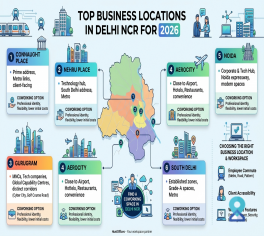
Top Business Locations in Delhi NCR for 2026
Quick Answer: The top business locations in Delhi NCR for 2026 are Connaught Place and Nehru Place for central, client-facing addresses,...
Read MoreCOWORKING SPACES
Budget Coworking Spaces in Hyderabad (2026): Costs & Locations
Introduction
Read More