

Office Vastu & Feng Shui Tips for Productivity

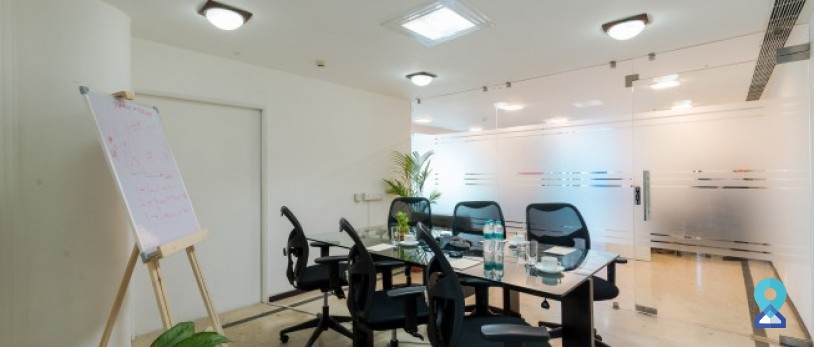
Quick Answer: How Should You Plan Your Office?
Start with practical workplace requirements such as natural light, comfortable furniture, accessibility, ventilation, circulation and noise control. If Vastu or Feng Shui is important to your business, incorporate the relevant traditional principles without compromising workplace functionality.
For startups, SMEs, established companies and flexible-workspace users, the most useful approach is to balance cultural preferences with practical office planning.
What Is Vastu for Office Space?
Vastu Shastra is a traditional Indian system of architecture and spatial arrangement that considers the orientation and organisation of buildings and rooms.
In an office context, practitioners may consider factors such as:
Office entrance direction
Position of workstations
Location of cabins
Meeting-room placement
Reception area
Storage areas
Lighting and open space
Direction in which people face while working
Different Vastu practitioners can provide different recommendations, so businesses should treat these as traditional preferences rather than universal architectural requirements.
What Is Feng Shui for Office Space?
Feng Shui is a traditional Chinese practice focused on arranging spaces and objects in ways intended to create balance and harmonious movement of energy, commonly referred to as qi or chi.
Office Feng Shui may consider:
Desk placement
Entrance positioning
Clutter
Natural light
Furniture arrangement
Colours
Plants
Open circulation
Position of important work areas
As with Vastu, Feng Shui recommendations can vary depending on the school or practitioner.
What Are the Main Vastu Tips for an Office?
Businesses that follow Vastu principles may consider several traditional recommendations when planning an office.
1. Where Should the Office Entrance Be?
The entrance is an important consideration in traditional Vastu planning.
Some Vastu practitioners associate different entrance directions with different qualities or purposes. However, the actual suitability of an entrance also depends on the building layout, fire-safety requirements, accessibility, visitor flow and employee movement.
Practical tip: Never change an office entrance solely to follow a traditional preference if doing so compromises accessibility, safety or efficient circulation.
2. Which Direction Should Employees Face While Working?
Vastu practitioners commonly provide recommendations about the direction employees should face while working.
For example, some traditional interpretations associate particular directions with productivity, stability or concentration.
For a modern workplace, however, desk positioning should also account for:
Screen glare
Natural light
Noise
Air-conditioning
Walkways
Power outlets
Ergonomic posture
Collaboration requirements
The best workstation arrangement is therefore one that accommodates the business's practical needs while respecting its cultural preferences.
3. Where Should the Reception Area Be?
Reception is the first point of contact for many visitors, so its position should support both traditional preferences and practical visitor management.
A well-planned reception area should provide:
Clear visibility
Easy visitor access
Comfortable seating
Adequate lighting
Signage
Space for reception staff
Convenient access to meeting rooms
For businesses following Vastu, the reception's position can additionally be discussed with a qualified Vastu practitioner.
4. How Should the Managing Director's Cabin Be Positioned?
Some Vastu traditions give specific guidance about senior leadership cabins and seating direction.
From a workplace-design perspective, the cabin should also provide appropriate privacy, natural or well-designed lighting, convenient access and sufficient space for meetings.
The same principle applies to executive offices: cultural preferences can be incorporated without sacrificing practical workplace requirements.
What Are the Main Feng Shui Tips for an Office?
Feng Shui office planning generally focuses on the arrangement and flow of the workplace.
1. Keep the Entrance Clear
A clear entrance can make an office easier to navigate and more welcoming for employees and visitors.
From a practical workplace perspective, entrances should also remain free of unnecessary furniture and obstructions.
2. Reduce Unnecessary Clutter
Clutter is a common concern in Feng Shui.
Even without considering traditional Feng Shui principles, an organised workplace can make it easier for employees to find equipment, documents and shared resources.
Use:
Storage cabinets
Document-management systems
Cable management
Clearly labelled storage
Digital document systems
3. Give Employees Comfortable Workstations
Feng Shui recommendations should not replace ergonomic workplace planning.
Employees should have workstations that provide suitable:
Chair support
Desk height
Monitor positioning
Lighting
Legroom
Screen distance
Personal workspace
4. Use Plants Carefully
Plants are commonly associated with natural elements in Feng Shui.
In a modern office, plants can also contribute to the visual quality of a workspace. However, businesses should choose plants that suit the available light and maintenance requirements rather than selecting them solely for symbolic reasons.
Vastu vs Feng Shui: What Is the Difference?
Vastu Shastra and Feng Shui are different traditional systems that developed in different cultural contexts.
| Consideration | Vastu Shastra | Feng Shui |
|---|---|---|
| Cultural origin | Indian | Chinese |
| Main focus | Traditional spatial and architectural principles | Traditional spatial arrangement and harmony |
| Common office considerations | Direction, layout, entrances and room placement | Desk placement, circulation, clutter and spatial balance |
| Common use | Building and interior planning | Interior and environmental arrangement |
| Scientific status | Traditional practice, not a scientifically established performance system | Traditional practice, not a scientifically established performance system |
Businesses do not necessarily have to choose one system over the other. If cultural workplace planning is important, the approach can be discussed with an appropriately qualified practitioner.
Which Office Design Factors Matter Regardless of Vastu or Feng Shui?
Some workplace factors should be prioritised regardless of whether a company follows Vastu, Feng Shui or neither.
Office Planning Checklist
| Factor | What to Consider |
|---|---|
| Lighting | Natural light, glare and suitable task lighting |
| Ergonomics | Comfortable desks, chairs and monitor positioning |
| Ventilation | Fresh-air and indoor-environment requirements |
| Acoustics | Noise levels and private conversation areas |
| Accessibility | Movement and access for all users |
| Circulation | Clear and practical walkways |
| Privacy | Enclosed spaces for confidential work |
| Collaboration | Meeting rooms and shared areas |
| Technology | Internet, power and connectivity |
| Safety | Fire exits and applicable building requirements |
| Storage | Secure and organised document/equipment storage |
This checklist is particularly useful when selecting office space for rent, coworking space or managed office space.
Is Vastu or Feng Shui Important When Choosing a Coworking Space?
It can be important if Vastu or Feng Shui is part of your company's cultural or workplace preferences.
However, businesses should also evaluate the physical workspace itself.
Before choosing a coworking space, check:
Workstation orientation
Private office layout
Entrance location
Natural light
Meeting-room availability
Noise levels
Internet connectivity
Power backup
Accessibility
Security
Parking and transport
Expansion options
If a particular direction or layout is important to your organisation, ask the workspace provider whether specific desks or private offices can accommodate the requirement.
How Can Startups Use Vastu and Feng Shui in Office Planning?
Startups usually have limited space and changing team requirements, so the workplace should remain flexible.
Rather than redesigning an entire office around traditional principles, startups can incorporate simple preferences such as:
Keeping work areas organised
Maintaining a clear entrance
Positioning leadership desks according to their preferred tradition
Using plants and natural elements
Creating dedicated collaboration areas
Maximising natural light
Reducing unnecessary visual clutter
These changes can be considered without making major structural modifications.
How Should Companies Balance Vastu With Modern Office Design?
The most practical approach is to treat Vastu preferences as one design consideration rather than the only design criterion.
For example, if a traditional recommendation conflicts with an emergency exit, accessibility requirement or ergonomic need, the relevant building and workplace requirements should take priority.
A practical office-planning process can follow this order:
Understand employee and business requirements.
Check building, safety and accessibility constraints.
Plan workstations and circulation.
Consider lighting, ventilation and acoustics.
Incorporate Vastu or Feng Shui preferences where practical.
Test the layout with employees.
Review the workplace after occupancy.
This approach helps businesses create a functional workplace while still respecting cultural preferences.
What Should Businesses Consider Before Hiring a Vastu or Feng Shui Consultant?
If your organisation wants professional guidance, clarify the scope before making changes to the workplace.
Ask the consultant:
What principles will you use?
Which changes are structural and which are optional?
What information do you need about the building?
Can recommendations work within existing safety requirements?
Will the recommendations require renovation?
What is the consultation fee?
Can the recommendations be implemented without disrupting operations?
Businesses should also distinguish traditional recommendations from claims about measurable business or health outcomes.
Frequently Asked Questions About Office Vastu and Feng Shui
What is the best direction for an office according to Vastu?
Vastu recommendations vary according to the practitioner, building layout and purpose of the space. Businesses should consider traditional guidance alongside practical factors such as access, safety, lighting and workplace functionality.
Which direction should I face while working?
Different Vastu and Feng Shui traditions recommend different orientations. If direction is important to your business, consult a practitioner and ensure the resulting workstation position remains comfortable and ergonomically suitable.
Is Vastu scientifically proven to increase productivity?
Vastu is a traditional architectural and spatial-planning practice. There is not a reliable scientific basis for treating a particular Vastu arrangement as a guaranteed method of increasing employee productivity.
Is Feng Shui scientifically proven to improve business performance?
Feng Shui is a traditional practice rather than a scientifically established method for guaranteeing business performance. Businesses can use it as a cultural or design preference while relying on established workplace-planning principles for functional decisions.
Is Vastu important when choosing an office?
It can be important for businesses that consider Vastu part of their cultural or organisational preferences. The office should also meet practical requirements such as accessibility, safety, connectivity, lighting and employee needs.
Can Vastu be applied to a rented office?
Yes. Many traditional recommendations can be considered through furniture placement, desk orientation, storage, décor and workspace organisation without making structural changes to a rented office.
Can Feng Shui be applied to a coworking space?
Yes. Businesses can consider desk orientation, organisation, clutter, plants and workspace arrangement within the areas they control. Structural changes normally require the workspace provider's approval.
Should businesses prioritise Vastu over workplace safety?
No. Building safety, accessibility, fire-safety requirements and other applicable regulations should take priority over traditional design preferences.
Key Takeaway: How Should You Plan Your Office?
Vastu and Feng Shui can be incorporated into office planning when they are important to a company's cultural preferences, but they should work alongside practical workplace principles rather than replace them.
For a modern office, focus first on ergonomics, lighting, ventilation, accessibility, safety, acoustics, connectivity and efficient space planning. Traditional Vastu or Feng Shui preferences can then be incorporated into the layout, furniture arrangement and décor where practical.
Whether you are choosing a coworking space, managed office or conventional office, evaluate the complete workplace rather than relying on a single design principle.
Traditional Vastu and Feng Shui recommendations can vary between practitioners. Always consider applicable building, safety, accessibility and workplace requirements when planning an office.
COWORKING SPACES
Coworking Space Near MNC Chennai
Finding the right workspace in Chennai is more than just finding the right desk space. The selection of office spaces can...
Read MoreCOWORKING SPACES

MNC Companies in Gurgaon: Complete 2026 Guide
Quick Answer: MNC companies in Gurgaon are represented in five micro-markets, which include DLF Cyber City, Golf Course Road, MG Road/Si...
Read MoreCOWORKING SPACES
Virtual Office vs. Coworking Space: Which One Saves You More?
With companies seeking cost-effective office spaces, the issue is no longer just about the price of offi...
Read MoreCOWORKING SPACES
The Best Coworking Spaces for Freelancers Near Me in 2026
Quick Answer: Top coworking spaces for freelancers in 2026 offer a combination of three vital fac...
Read MoreCOWORKING SPACES
Best Coworking Space Near Me: A Complete 2026 City Guide
Quick Answer: The ideal coworking space near me in 2026 essentially depends on three fa...
Read More