

How to Choose the Best Coworking Space


Most people don’t sit down and plan this decision. It usually happens because something isn’t working anymore. Working from home feels scattered. The team has outgrown the current setup. Or the office you’re in just doesn’t support the way the business operates now.
So you start looking at a coworking space. It feels like the obvious fix. Flexible terms, ready infrastructure, and no long setup time. In that moment, it solves more than one problem, which is why people move quickly.
And honestly, that’s fine at the start.
During early visits, most coworking spaces feel similar. You see desks, meeting rooms, internet, and shared areas. Everything looks usable. Nothing stands out as a clear problem. Decisions are often made on availability or convenience, sometimes price.
The question of finding the best coworking space usually comes later, once the space starts influencing the workday in ways you didn’t really think about upfront.
Why this decision usually matters more than expected
Here’s what tends to happen. A coworking space stops being just a place you go to work. It starts shaping how your day feels.
It affects how easily you settle in. How often do you lose focus? How smooth or awkward meetings feel. Especially client meetings. None of this feels dramatic, which is why people ignore it at first.
But over time, those small things repeat.
And repetition is what makes people pause and rethink the decision.
That’s usually when the conversation shifts from “this works” to “is this actually the best coworking space for us?”
What only becomes clear once you start using the space
No tour shows you how a coworking space behaves when it’s busy. You only see that once you’re there, in the middle of a normal workday.
You notice patterns. When it gets noisy. How easy it is to find a meeting room on short notice. Whether people take calls thoughtfully or just wherever they’re sitting. Whether shared spaces are functional or always occupied.
Work style matters more here than people expect. Some professionals are on calls most of the day. Others need long stretches of quiet to get real work done. Some teams collaborate constantly. Others need structure and privacy.
A coworking space doesn’t change any of that. It either fits how you already work, or it asks you to keep adjusting.
That adjustment is what becomes exhausting.
Location as part of your daily rhythm
Location matters, but not just in the way it’s usually discussed.
It’s not only about the address. It’s about how predictable the day feels. How long does the commute take? Whether getting there feels routine or like a task.
I’ve seen people choose excellent-looking spaces that slowly become frustrating simply because reaching them takes too much energy. Traffic, parking, and unclear directions for clients. None of it feels serious on its own, but it adds up.
In most cases, the best coworking space is the one you stop thinking about once you’ve left home.
Comfort shows up in small, repeated ways
Comfort is difficult to judge quickly. Most spaces feel fine during a short visit.
Over longer hours, things change. Lighting starts to matter more. Background noise becomes harder to ignore. The layout affects how often your attention drifts, even when no one is actively distracting you.
Some spaces feel energetic at first and tiring later. Others feel calm but slightly restricted. Finding the balance isn’t easy.
A good coworking space lets you work for long stretches without constantly noticing the space itself.
When technology does its job quietly
Technology is rarely why people choose a coworking space. But it’s very often why they leave one.
Internet stability matters more than speed. Power backup matters more than most people realise. Support response time matters when something goes wrong in the middle of a busy day.
When these things work properly, you don’t think about them. When they don’t, they interrupt everything.
In the best coworking space, technology stays in the background, where it belongs.
The role of people and shared behaviour
Every coworking space develops its own atmosphere. And that atmosphere comes from behaviour, not branding.
How people handle calls. How shared areas are used. Whether boundaries are respected without reminders. These things define the experience far more than design ever will.
Some people enjoy interaction. Others prefer distance. Neither approach is wrong. What matters is whether the space allows both without friction.
That balance is usually felt within a few days.
Flexibility is something you feel over time
Flexibility isn’t just about contracts. You experience it in everyday moments.
How easy it is to book a meeting room when you actually need one. Whether small changes are handled smoothly. How the space responds when your team grows or your needs shift.
Businesses don’t stay the same for long. A coworking space that adjusts without drama becomes much easier to stay in.
That’s often when people realise they’ve found the best coworking space for the stage they’re in.
Management sets the tone more than design ever will
Design gets attention. Management does the real work.
Clear communication, consistent handling of issues, and reasonable policies remove unnecessary friction from the day. When problems are resolved quickly, they don’t linger.
When they aren’t, even small issues become distractions.
Over time, this difference becomes very obvious.
Clarity, security, and peace of mind
Clear rules around access, visitors, and shared resources make daily work easier. You shouldn’t have to think twice about basic processes.
Security plays a role here, too. Professional reception, controlled access, sensible visitor handling. These things matter more once clients start visiting regularly.
A coworking space should feel secure without feeling restrictive.
The quiet test most people trust in the end
After all the comparisons, there’s usually one question that settles it.
Can you picture handling a demanding week here without the space itself becoming a problem?
Some places look impressive but feel demanding. Others feel steady and predictable. You notice the difference once you stop analysing and just pay attention to how the day feels.
More often than not, the best coworking space is the one that doesn’t get in your way.
Final Thoughts
Choosing a coworking space isn’t about finding a perfect setup. It’s about finding an environment that supports how you work now and can adjust as things change.
When the space fits, work feels easier. Not because you’re trying harder, but because the environment is doing its part.
That’s usually when the search stops.
COWORKING SPACES

12 Best Coworking Spaces in Bangalore for Startups & Professionals 2026
Bursting with energy, Bangalore pulses like few others. Home to India’s digital dreams, it hums through the night. Known widely as India’s answer to Silicon Valley, its rhy...
Read MoreCOWORKING SPACES
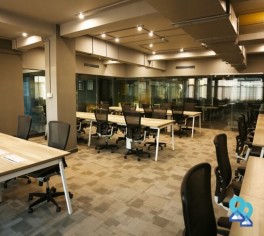
Top 8 Coworking Spaces in Okhla Industrial Area Phase 1, Delhi 2026
Busy streets hum with activity at Okhla Phase 1, a go-to hub for professionals in Delhi. This place thrives on motion, drawing workers who value its closeness to South Delh...
Read MoreCOWORKING SPACES
12 Best Coworking Spaces in Hyderabad 2026 – Hitech City, Banjara Hills & More
These days, Hyderabad keeps buzzing nonstop. Pearls built its past while tech shapes its present. Working smarter happens here more than ever. The best coworking places...
Read MoreCOWORKING SPACES
Private Cabin vs Open Desk: Which Coworking Setup Is Right for You in Delhi?
Out here in Delhi, Gurgaon, or Noida during 2026, showing up with only a laptop won’t cut it—surroundings shape what ha...
Read MoreCOWORKING SPACES
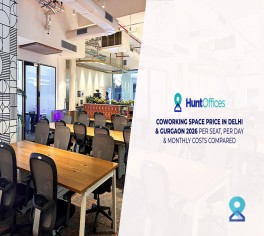
Coworking Space Prices Delhi Gurgaon 2026 Seat Day Month
A space shared with others could fit your needs, beginning around five thousand rupees per month - useful while checking coworking prices in Delhi or loo...
Read More